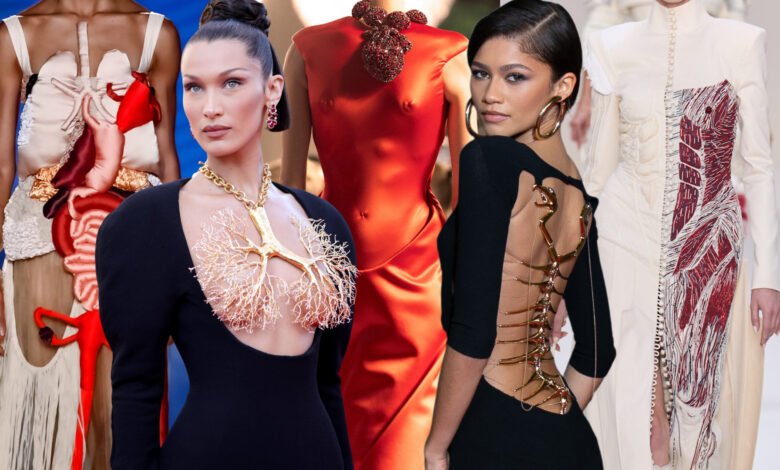
The first Monday in May is fashion’s biggest night, and the guessing game has already begun. Fashion insiders, TikTok sleuths, and Vogue archivists are all asking the same burning question: what exactly is the Met Gala theme 2026 going to be? While the Costume Institute keeps its cards close to the chest until late 2025, the rumor mill is already churning out some seriously exciting possibilities. We have seen themes that celebrate camp, Catholic imagination, and American independence, so the pressure is on for Andrew Bolton and the curatorial team to deliver something that feels both fresh and culturally monumental.
Understanding the rhythm of how these themes are chosen helps us make smarter guesses. Typically, the Met Gala theme 2026 will align with the spring exhibition at the Metropolitan Museum of Art’s Costume Institute. That exhibition usually explores a specific designer, a historical silhouette, or a broader cultural concept. Because the museum books these slots years in advance, we can look at current fashion exhibitions traveling the world, major anniversaries of fashion houses, and even the academic interests of Bolton himself. One thing is certain: the chosen direction will dominate editorial calendars, Halloween costumes, and TikTok fashion commentary for an entire year.

Why the Met Gala Theme 2026 Is Already a Hot Topic
Fans of the red carpet know that the announcement of the theme is an event in itself. Usually dropped in early November of the preceding year, the reveal for the Met Gala theme 2026 is still under wraps, but that hasn’t stopped the speculation from reaching a fever pitch. The reason for this early hype is simple: the last few themes have been incredibly broad, allowing for massive creative interpretation, but 2026 might pivot back to something hyper-specific. We saw how “Karl Lagerfeld: A Line of Beauty” forced attendees to dig into a single designer’s oeuvre, while “Heavenly Bodies” allowed for religious grandeur. The sweet spot for a successful theme is one that is restrictive enough to challenge celebrities but open enough to prevent forty identical looks.
Another reason the conversation is so loud right now is the shifting landscape of fashion leadership. With major creative director changes happening at houses like Gucci, Chanel, and Dior, the Met Gala theme 2026 could serve as a platform to launch new brand identities. Imagine a theme centered on “The New Elegance” or “Radical Craftsmanship” that allows these newly appointed designers to show the world their revised vision. The red carpet becomes a competitive runway where billion-dollar brands fight for the best viral moment. For fashion journalists, predicting the theme is like predicting the Oscars, except the stakes involve sequins, historical accuracy, and meme potential.
The Frontrunners: Three Strong Contenders for the Met Gala Theme 2026
After combing through the Costume Institute’s acquisition records, interviewing anonymous stylists, and analyzing museum schedules, three distinct concepts keep rising to the top. The first strong contender for the Met Gala theme 2026 is a deep dive into “Surrealism and the Object.” Given the massive success of the “Schiaparelli & the Surrealists” exhibition in Paris, and the recent acquisition of several Salvador Dalí-inspired couture pieces by the Met, this feels inevitable. Surrealism offers a visual feast: melting clocks as handbags, eyeball brooches, and trompe l’oeil suits. It is a theme that would let celebrities go completely bizarre, which usually results in the most memorable red carpet moments.
The second contender is “Supernatural Chic: Fashion and the Occult.” We have seen witches and gothic romance trending in streetwear and on the runways for three consecutive seasons. Brands like Rick Owens, Marine Serre, and even mainstream labels are flirting with tarot imagery, lunar cycles, and ethereal draping. A supernatural theme for the Met Gala theme 2026 would allow for incredible silhouette play—think Victorian mourning dresses, celestial armor, and pagan headpieces. It also carries a darker, moodier palette that contrasts sharply with the pinks and metallics of recent years, offering a distinct visual break that photographers and editors would love.
The third and perhaps most practical prediction is “Sleeping Beauties: Reawakening Fashion.” Wait, hasn’t that been used recently? Actually, the 2024 exhibition was “Sleeping Beauties: Reawakening Fashion,” but it focused on conservation and smell. For the Met Gala theme 2026, a spin-off called “Reawakening the Archive” could task designers with taking dormant, fragile pieces from museum basements and recreating them for the modern body. This theme would speak directly to the industry’s current obsession with upcycling and archival revival. It asks a specific question: how do you wake up a 200-year-old gown without losing its soul? That is a high-concept challenge that Bolton typically loves.
How to Decode the Official Announcement for the Met Gala Theme 2026
Waiting for the official drop can feel like watching paint dry, but there are telltale signs to watch for. Typically, Vogue and the Met will release a cryptic teaser video about eight months before the event. When they finally announce the Met Gala theme 2026, pay close attention to the phrasing in the press release. If the language uses words like “subversion” or “distortion,” expect a deconstructed red carpet. If they use “splendor” and “gilding,” start looking for metallic fabrics. The announcement will also name the co-chairs, and those names alone tell you a lot. If the co-chairs include a tech billionaire, the theme might lean futuristic. If they include a classical musician, expect old-world opulence.
Furthermore, the announcement usually aligns with the opening of a specific exhibition at the Anna Wintour Costume Center. To get ahead of the curve for the Met Gala theme 2026, you should subscribe to the museum’s academic lecture series. Bolton often tests his theories in small, dry academic papers before blowing them up into massive galas. For example, before “Camp: Notes on Fashion,” he published a dense essay on Susan Sontag. So, if you see a sudden flurry of research papers on, say, “The Geometry of 1980s Japanese Deconstruction,” start preparing for a Yohji Yamamoto or Rei Kawakubo focused theme.
The Influence of Pop Culture on the Met Gala Theme 2026
We cannot ignore the elephant in the room: Hollywood and the music industry are desperate to influence the Met Gala theme 2026. With blockbuster movies like Dune: Messiah and The Batman Part II scheduled for release in late 2025 and early 2026, there is a massive financial incentive to align the gala with science fiction and dystopian glamour. Think about it: if the theme is “Post-Apocalyptic Couture,” Warner Bros. can dress Timothée Chalamet in a Dune-inspired cape that is technically “on theme” while also promoting their film. This synergy is too powerful for the entertainment industry to ignore, and it often nudges the curatorial process.
Additionally, the resurgence of the Y2K aesthetic among Gen Z will play a role in shaping expectations for the Met Gala theme 2026. Young people on social media are demanding “futuristic sleaze” and “cyber-goth” elements on the red carpet. While the Met rarely bows entirely to TikTok trends, the museum is keenly aware of its need to stay relevant to a younger donor base. This might result in a compromise theme, such as “Fashion in the Digital Age: 2000 to 2026,” which would allow for low-rise jeans next to AI-generated dresses. It would be a chaotic theme, but chaos often makes for the best red carpet commentary.
What Designers Are Whispering About the Met Gala Theme 2026
Off the record, several New York-based ateliers have started prepping “mood boards” for hypotheticals. One senior pattern cutter at a major fashion house told a journalist that they have been instructed to research “biomimicry” and “bioluminescence.” Why? Because there is a persistent rumor that the Met Gala theme 2026 might be “Nature Constructed: The Artificial Eden.” This theme would explore how fashion mimics plant life, from Alexander McQueen’s feather dress to Iris van Herpen’s 3D-printed skeletons. Designers are looking at mushroom leather, glowing algae filaments, and laser-cut florals. If this is the direction, the red carpet will look like a futuristic greenhouse, and we are absolutely here for it.
Conversely, other houses are reportedly digging into the archives of the 1920s. There is a competing rumor that the Met Gala theme 2026 will celebrate the centennial of a major fashion moment, specifically the birth of the “little black dress” or the flapper silhouette. But Bolton is too clever to do a simple anniversary party. Instead, he might frame it as “The Roaring Twenties Redux: Fashion and Financial Collapse.” That would draw a direct line from the Jazz Age to our current economic uncertainty, allowing designers to play with fringe, beading, and decadent decay. It is a darker, more cynical take on a celebratory era, which fits the mood of the mid-2020s perfectly.
A Historical Look: How Past Themes Predict the Met Gala Theme 2026
To understand where we are going, we must look back at the last ten years of the gala. The pattern is clear: the Met Gala theme 2026 will likely reject whatever just happened. We went from “China: Through the Looking Glass” (opulent and specific) to “Manus x Machina” (tech-focused) to “Rei Kawakubo” (abstract art). Then we hit “Heavenly Bodies” (religious maximalism), followed by “Camp” (ironic exaggeration). The pendulum swings between serious academic rigor and playful absurdity. Given that 2025’s theme (Superfine: Tailoring Style) is expected to be very tailored, serious, and masculine, the Met Gala theme 2026 will likely swing hard toward the opposite: soft, feminine, and chaotic.
Another historical marker is the “anniversary factor.” Major anniversaries of the Costume Institute itself often trigger retrospective themes. The institute was founded in 1937, and while 2027 would be a 90-year anniversary, the planning for a massive exhibition takes two years. Therefore, the Met Gala theme 2026 might serve as a soft launch for a “90 Years of Fashion” blockbuster in 2027. This would be a “greatest hits” theme, which is dangerous because it is too broad. When themes are too broad, like “Punk: Chaos to Couture,” some celebrities just wear black leather and call it a day. We want risk, not leather jackets.
The Role of the Co-Chairs for the Met Gala Theme 2026
Anna Wintour never picks co-chairs at random. The celebrity co-chairs for the Met Gala theme 2026 will be instrumental in shaping the visual narrative. If Zendaya is a co-chair, expect a theme that allows for multiple costume changes and dramatic silhouettes (she loves a theatrical moment). If Taylor Swift is a co-chair, the theme might lean into poetic, romantic, or literary references. If a male actor like Austin Butler is a co-chair, expect a theme that celebrates masculine tailoring or vintage Hollywood glamour. The co-chairs are the canaries in the coal mine; their personal brand tells you exactly which direction the red carpet will lean.
Moreover, the co-chairs often host pre-gala dinners that subtly enforce the theme. For the Met Gala theme 2026, watch the “Save the Date” cards. Are they embossed with flowers? Start thinking botanical. Are they holographic? Start thinking digital. One year, the invitations were shaped like a crucifix, and we all should have predicted the religious theme earlier. So, when the official announcement happens, do not just read the words; look at the graphic design. The kerning, the color palette, and the paper stock are all clues left by Wintour’s team to guide the fashion elite.
How to Dress for the Met Gala Theme 2026 (If You Get an Invite)
Let’s be real: most of us are watching from our couches in sweatpants. But for the very few of you who might actually score a ticket, planning for the Met Gala theme 2026 should have started yesterday. The cardinal rule is: do not take the theme literally. If the theme is “Surrealism,” do not show up in a lobster dress unless you are Sarah Jessica Parker. Instead, abstract the concept. Wear a suit with an eye printed on the back. Wear a necklace that looks like a telephone. The goal is to reference the theme through texture and distortion, not through direct mimicry.
Secondly, comfort is not an option, but practicality is. The Met Gala theme 2026 might involve stairs, long walks, and tight seating inside the museum. If you choose a 50-pound cage crinoline, you will not enjoy the dinner. The best looks in Met Gala history are the ones that look painful but are secretly engineered for movement. Work with a designer who understands structural engineering as much as draping. And finally, ignore the haters on Twitter. No matter how perfectly you interpret the Met Gala theme 2026, someone will screenshot your side profile and turn it into a meme. Own it. That is the price of fashion glory.
The Economic Impact of the Met Gala Theme 2026
Beyond the sequins and the gossip, the Met Gala theme 2026 will generate millions of dollars in economic activity. The exhibition itself costs about $4 million to install, but the gala raises over $15 million for the Costume Institute. However, the ripple effects are larger. Fabric suppliers in Italy see a surge in orders for specific textures (like velvet for “Heavenly Bodies” or PVC for “Camp”). Etsy sellers explode with DIY versions of celebrity looks. Even Google searches for “Met Gala theme 2026” will drive massive affiliate revenue for fashion content creators. It is a bizarre but beautiful economic engine where a single curatorial decision can move the needle for niche textile mills in Como.
Furthermore, the theme influences fast fashion. Zara and H&M monitor the red carpet in real-time and will have knock-offs of the best looks available within two weeks. If the Met Gala theme 2026 is “Cyberpunk,” expect every mall in America to suddenly stock mesh tops and reflective sunglasses by June. This trickle-down effect is controversial (designers hate it, consumers love it), but it proves that the Met Gala is not just a party; it is a product launch for the entire fashion industry’s seasonal direction. Whether you are buying a $10,000 gown or a $40 dupe, you are participating in the economic legacy of the theme.
Wild Cards and Dark Horses for the Met Gala Theme 2026
Let us get weird for a moment. What if the Met Gala theme 2026 is something nobody has guessed yet? Andrew Bolton loves a left-field choice. One dark horse theory is “Fashion and the Five Senses,” which would be incredibly hard to photograph but intellectually fascinating. How do you dress for smell? You could wear dried lavender or scented leather. How do you dress for sound? You could wear chimes. It is a theme that would separate the true conceptual artists from the simple dress-up enthusiasts. Another wild card is “The Art of Mending: Kintsugi and Fashion,” celebrating repair, imperfection, and gold-veined cracks. Given the sustainability movement, this feels timely and deeply Japanese in influence.
Another outsider guess is “Prehistoric Glamour: Jurassic Chic.” With dinosaur fossils being a huge draw at the Natural History museum (which is connected to the Met’s orbit), a theme about caveman silhouettes, raw hides, and amber jewelry could be shockingly fresh. It would force designers to work with fur (faux, hopefully), bone-like structures, and very heavy textiles. Imagine a gown that looks like a pterodactyl wing or a suit that mimics volcanic rock. It is risky, ridiculous, and exactly the kind of high-concept gamble that creates the most viral moments. Do not laugh—the Met Gala theme 2026 might just go back to the Stone Age.
The Critics’ Panel: Will the Met Gala Theme 2026 Be a Success?
Fashion critics are a cynical bunch, and they are already sharpening their knives. The success of the Met Gala theme 2026 will be measured by two metrics: adherence and surprise. If 80% of the guests ignore the theme and just wear standard ball gowns, the theme has failed. That happened with “In America: An Anthology of Fashion,” where many guests just wore red, white, and blue sequins without any historical nuance. A successful theme forces guests to research, to call archivists, and to take risks. Critics will be looking for the “Oh wow, I never thought of that” moments.
Additionally, critics will judge the exhibition itself, not just the red carpet. The Met Gala theme 2026 might be a gorgeous concept on paper, but if the mannequins are poorly lit or the gallery layout is confusing, the intellectual prestige of the event collapses. The gala is a fundraiser, but the exhibition is the legacy. For the theme to be considered a true success, it must produce at least three iconic museum pieces that stay in the permanent collection rotation. It must also produce at least one “How did they walk in that?” viral video. Balancing high art with low entertainment is the tightrope the Met walks every single year.
How Technology Will Shape the Met Gala Theme 2026
We are entering an era where AI and the red carpet are about to collide. The Met Gala theme 2026 might be the first theme to explicitly address generative artificial intelligence. A theme like “Algorithmic Elegance” would allow for dresses created by Midjourney prompts, 3D-printed chainmail, and augmented reality elements that only appear on your phone screen. Imagine a gown that looks plain in person but, when viewed through a TikTok filter, explodes into digital flowers. This blurs the line between physical fashion and digital art, which is exactly where the industry is heading. The Met would be foolish to ignore this trend.
Furthermore, blockchain and NFTs might finally have their moment. While the NFT hype has cooled, the underlying technology of provenance tracking is crucial for luxury goods. The Met Gala theme 2026 could focus on “The Digital Wardrobe: Fashion as Code,” where celebrities wear QR codes woven into their trains that link to charity donations or design sketches. It sounds gimmicky, but remember, ten years ago people thought live-streaming the red carpet was gimmicky. Technology, when done subtly, enhances the storytelling. The key is to avoid looking like a cheap sci-fi movie. The Met needs to make tech feel luxurious, not tacky.
The Global Perspective on the Met Gala Theme 2026
Historically, the Met Gala has been criticized for being too Eurocentric. Recently, there has been a push to include African, Asian, and South American influences. The Met Gala theme 2026 could finally tackle “Global Southern Silhouettes: Unmapping Fashion.” This would be a controversial but necessary theme that looks at draping techniques from India, beadwork from Nigeria, and weaving from Peru. It would force Western designers to collaborate with artisans from those regions, rather than appropriating their styles. If handled with care, this theme could be the most important one of the decade. If handled poorly, it would be a PR disaster.
Another global angle is “Fashion Without Borders: The Stateless Designer.” With so many refugees and immigrants shaping the fashion capitals of Paris, London, and New York, a theme celebrating the creative resilience of displaced peoples would be politically charged but artistically rich. The Met Gala theme 2026 would then feature designers who work across conflict zones, using fashion as a form of protest and preservation. This moves the gala away from pure escapism and into activism. Whether the celebrities are ready to handle such heavy subject matter while smiling for the cameras is another question entirely. But the Met has never shied away from controversy.
Sustainability and the Met Gala Theme 2026
One of the biggest elephants in the room is the environmental cost of the gala. Celebrities fly private jets, wear single-use couture, and generate massive waste. The Met Gala theme 2026 might directly confront this hypocrisy with a theme like “Circular Fashion: Zero Waste Future.” This would mandate that all looks be made from deadstock fabric, recycled materials, or rental archives. It would ban new fur and exotic leathers. This would be a radical departure from the excess we normally see. Some designers would thrive (like Stella McCartney and Marine Serre), while others would panic. It would force the industry to prove that sustainability is not just a marketing buzzword but a creative constraint that breeds innovation.
Imagine a red carpet where every gown has a tag explaining its carbon footprint. Imagine celebrities competing to have the most upcycled look. The Met Gala theme 2026 could set a new standard for how major events handle waste. Of course, the cynics would say it is performative, but even performative environmentalism moves the needle. When Vogue publishes the “Best Dressed” list, they could also publish the “Lowest Impact” list. This would change the game entirely, shifting the metric of success from “most expensive” to “most responsible.” It is a long shot, but the whispers about this possibility are getting louder.
Table: Comparing Top Three Predicted Themes for the Met Gala 2026
| Theme Candidate | Core Concept | Red Carpet Vibe | Difficulty Level | Likelihood (1-10) |
|---|---|---|---|---|
| Surrealism and the Object | Dreamlike distortions, eyeball prints, melting shapes | Quirky high art, chaotic elegance | Very High (9/10) | 8 |
| Supernatural Chic | Occult symbols, gothic draping, lunar phases | Dark romance, moody glamour | Medium (6/10) | 7 |
| Reawakening the Archive | Upcycled museum pieces, historical remakes | Vintage revival, intellectual luxury | High (8/10) | 9 |
The Impact on Social Media Trends for the Met Gala Theme 2026
TikTok and Instagram Reels will absolutely dominate the conversation around the Met Gala theme 2026. The day after the gala, you will see a flood of “fashion police” breakdowns, “worst dressed” roasts, and “how to get the look for $20” tutorials. But the platform that matters most is Twitter (or X), where live commentary during the red carpet creates the narrative. A single tweet comparing a celebrity’s outfit to a household object can destroy their night. Therefore, celebrities planning for the Met Gala theme 2026 must now consider “meme-ability” as a design factor. Is this look too boring? Is it too weird? The sweet spot is “weird enough to be interesting but not weird enough to be laughed at.”
Moreover, the hashtag #MetGala2026 will start trending months before the event, filled with fan art and costume predictions. This free marketing is invaluable for the museum. The Met Gala theme 2026 will inspire thousands of amateur designers to create their own interpretations, and the best ones might even get reposted by Vogue. This democratization of fashion criticism is a double-edged sword. It gives power to the people, but it also creates a mob mentality. Walking the red carpet now means walking into a global jury of millions. That pressure shapes every design decision, from the train length to the nail polish.
Frequently Asked Questions About the Met Gala Theme 2026
When will the Met Gala theme 2026 be officially announced?
The official announcement for the Met Gala theme 2026 typically occurs in early November 2025. The Costume Institute usually releases a press release alongside Anna Wintour’s announcement of the co-chairs. However, fashion insiders often receive “save the date” hints as early as September 2025. Keep a close eye on Vogue’s digital platforms and the Metropolitan Museum of Art’s official newsroom for the exact date. Delays are rare, but if the exhibition is not fully curated, they might push the announcement to December. Historically, only the pandemic caused major delays in theme reveals.
Can the public attend the Met Gala if they follow the Met Gala theme 2026?
Unfortunately, the Met Gala is a private, invitation-only fundraiser. You cannot buy a ticket, even if you perfectly interpret the Met Gala theme 2026. Tickets are distributed by Anna Wintour’s office to a select list of celebrities, designers, and major donors. However, there is a loophole: if you work for a fashion house that is a major sponsor, or if you volunteer extensively at the Costume Institute, you might get a plus-one. For the rest of us, the best way to participate is to watch the live stream, visit the exhibition when it opens to the public the day after the gala, and host your own viewing party dressed according to the theme.
What happens if a celebrity ignores the Met Gala theme 2026?
If a celebrity ignores the Met Gala theme 2026, they face public ridicule and potential career consequences in the fashion world. Anna Wintour is famously unforgiving. She has been known to exclude celebrities from future guest lists if they blatantly disregard the dress code. For example, wearing a basic black tuxedo to a “Camp” theme is a cardinal sin. The only exception is if the celebrity is a musical performer or a presenter who has a wardrobe change. However, even then, they are expected to nod to the theme. In short, you do not mess with the theme unless you are ready to be roasted on every fashion podcast for a year.
Will the Met Gala theme 2026 affect Halloween costume sales?
Absolutely. The Met Gala theme 2026 is a direct driver for Halloween costume trends. Major retailers like Spirit Halloween and Party City monitor the red carpet to mass-produce knockoffs of the most viral looks. If the theme is “Supernatural Chic,” expect a surge in witch hats and velvet capes. If it is “Surrealism,” expect a lot of prosthetic eyeballs and lobster headbands. The gala takes place in May, which gives manufacturers exactly five months to reverse-engineer the looks for October. This is why the fashion industry pays close attention to the theme; it is a year-round commercial engine, not just a one-night party.
How can I host a viewing party based on the Met Gala theme 2026 before it is announced?
Hosting a “prediction party” is a fun way to engage with the Met Gala theme 2026 before the official reveal. Invite your friends to come dressed as what they think the theme will be, based on the rumors you have read. Create a voting system for “Most Likely to Be Correct” and “Best Wildcard Interpretation.” You can also look back at the last five themes and ask guests to mash two of them together. For example, “Heavenly Bodies meets Punk” or “Camp meets Sleeping Beauties.” This keeps the energy high while you wait for the real announcement. Serve cocktails named after past themes, like a “Camp-tini” or a “Supernatural Sour.”
Conclusion
The Met Gala theme 2026 remains one of the most tantalizing mysteries in the fashion calendar, but the clues are everywhere for those willing to look closely. Whether Andrew Bolton chooses the surreal path, the supernatural route, or a radical sustainable future, one thing is guaranteed: the conversation will be loud, the memes will be merciless, and the red carpet will be unforgettable. We have analyzed the economic impact, the designer whispers, the historical patterns, and the wild cards. Now, all we can do is wait, watch, and start sketching our dream looks. The beauty of the Met Gala is not in the final reveal, but in the collective anticipation. So, keep your Pinterest boards ready, follow the archival accounts, and prepare for the first Monday in May. The Met Gala theme 2026 is coming, and it is going to be spectacular.
You may read also

