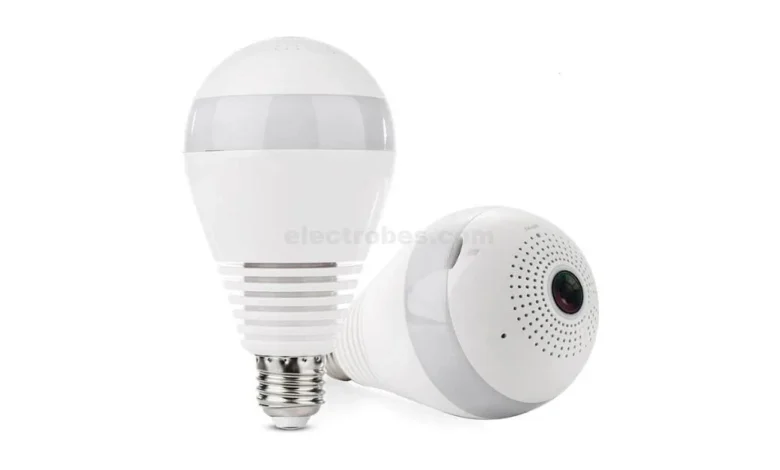
Imagine a guardian that watches over your home, not from a conspicuous black box mounted in a corner, but from the very source of light that illuminates your room. It requires no complex wiring, no drilling into your drywall, and no awkward explanations to guests. This is the reality offered by the light bulb camera, a revolutionary piece of technology that has redefined the landscape of home security. In an era where safety and simplicity are paramount, this ingenious device merges two household essentials—lighting and surveillance—into one incredibly discreet and powerful package. For homeowners, renters, and tech enthusiasts alike, the appeal is undeniable: robust security that light bulb camera doesn’t scream “you’re being watched.”
The evolution of the security camera has been remarkable. We’ve moved from grainy, VCR-connected systems to sleek, internet-enabled smart devices. Yet, many traditional cameras still present hurdles. Their installation can be intimidating, their appearance can be intrusive, and their placement is often limited by proximity to power outlets. The light bulb camera elegantly sidesteps these challenges. By integrating a high-definition camera, a microphone, a speaker, and sometimes even motion-activated sirens into a standard light bulb form factor, it leverages the most fundamental resource in any room: the light socket. This isn’t just an incremental improvement; it’s a paradigm shift towards truly seamless and accessible smart home security, offering a watchful eye where you’d least expect it.

What Exactly is a Light Bulb Camera and How Does It Work?
At its core, a light bulb camera is a sophisticated convergence of illumination and observation technology. It’s designed to screw into any standard light socket, just like a regular bulb. Once installed and powered on, it does everything a conventional bulb does—it lights up your space. But hidden within its housing, typically behind a small, discreet lens, is a full-featured security camera. This camera connects to your home’s Wi-Fi network, allowing you to see a live video feed, communicate through two-way audio, and receive alerts directly on your smartphone, no matter where you are in the world. The magic lies in its dual identity; it’s an unassuming source of light by day and a vigilant security sentinel by night.
The functionality of a light bulb camera is a marvel of modern engineering. The process begins with installation, which is as simple as changing a light bulb. You screw it into an E26 or E27 socket (the most common base size globally), often in a porch light, a lamp, or a ceiling fixture. Once physically installed, you download the companion mobile app provided by the manufacturer. The app guides you through connecting the device to your Wi-Fi. From that moment on, the camera is active. It uses its image sensor, which can range from 1080p to 4K resolution, to capture video. This video is processed and compressed on the device before being transmitted securely over your network to the cloud or a local storage device. Advanced features like motion detection use algorithms to analyze the video feed for movement, sending you instant notifications to your phone. Night vision is typically achieved through infrared (IR) LEDs that ring the camera lens, providing clear black-and-white footage in total darkness without the need for the main light to be on. This seamless integration of complex systems into a simple, familiar object is what makes the light bulb camera such a compelling product.
The Unbeatable Advantages of Choosing a Light Bulb Camera

The primary advantage of a light bulb camera, and the one that resonates most deeply with users, is its incredibly easy installation and discrete design. For renters who are prohibited from making permanent alterations to their property, this is a game-changer. There are no screws, no brackets, and no unsightly wires to manage. You are essentially upgrading your existing lighting fixture into a security hub without leaving a single mark. This plug-and-play approach demystifies home security, making it accessible to everyone, regardless of their technical prowess. Furthermore, the covert nature of the device is a significant security benefit. Intruders or package thieves are trained to look for traditional cameras mounted under eaves or on doorframes. A camera hidden in plain sight, masquerading as an ordinary light bulb, is far less likely to be spotted, disabled, or avoided, giving you a crucial upper hand.
Beyond the stealth and simplicity, the light bulb camera offers powerful, integrated functionality that often surpasses standalone security devices. Many models feature full-color night vision, which provides a clearer, more identifiable picture than standard black-and-white infrared. The two-way audio allows you to speak directly to a delivery person at your front door, soothe a pet, or even warn off a potential trespasser without being physically present. When you combine these features with the built-in, bright LED light, you get a potent deterrent system. Imagine a scenario where motion is detected at your back door at night. Instead of just receiving a silent alert on your phone, your light bulb camera can be programmed to automatically flood the area with light and sound an alarm, a response that is far more likely to scare away an intruder than a passive recording. This multi-sensory defense creates a layered security solution from a single, unobtrusive device.
Key Features to Scrutinize Before You Buy
Not all light bulb cameras are created equal, and your satisfaction will hinge on selecting a model with the right set of features for your specific needs. The first and most critical specification to examine is the video quality and field of view. A 1080p Full HD resolution is considered the bare minimum for clear, identifiable footage, but many newer models are offering 2K or 4K for exceptional detail. The field of view (FOV) determines how much of the area the camera can see. A wider FOV, typically 130 degrees or more, is preferable for covering large rooms or expansive outdoor areas like a driveway, as it minimizes blind spots. However, an ultra-wide lens can sometimes introduce a “fish-eye” distortion at the edges, so it’s about finding a balance. You want a crystal-clear image that captures the entire scene you need to monitor without compromising on the detail necessary to make out faces or license plates.
Another cornerstone of a modern security camera is its connectivity and storage options. A stable 2.4GHz Wi-Fi connection is standard, but some models also support the faster 5GHz band, which can provide a more reliable stream if your router is nearby. The more crucial decision often revolves around how your video footage is stored and accessed. Most manufacturers offer cloud storage subscriptions, which securely save your recorded clips online for a set period. This is convenient but represents an ongoing monthly or annual cost. The alternative is local storage, usually via a microSD card inserted into the camera itself. This is a one-time purchase and gives you full control over your data, but it carries the risk of the card being damaged or stolen along with the footage if the camera itself is tampered with. Some systems offer a hybrid approach, which is often the most robust solution. Additionally, pay close attention to power requirements; while most operate from the light socket, ensuring that socket is controlled by a switch that is always in the “on” position is vital for uninterrupted operation.
Setting Up Your New Light Bulb Camera: A Step-by-Step Walkthrough
The promise of a hassle-free installation is a major selling point for these devices, and for the most part, they deliver. The physical setup is genuinely as straightforward as it sounds. Begin by ensuring the light socket you’ve chosen is easily accessible and, most importantly, turned off at the circuit breaker for safety. Carefully screw the light bulb camera into the socket until it is snug. It’s essential not to overtighten it, as this could damage the threads. Once it’s securely in place, you can restore power. The device should power on, often indicated by a status light or a voice prompt. At this point, the built-in LED light might turn on, or it may remain off until configured via the app. The key is to choose a location that provides the vantage point you need—overlooking a front entryway, monitoring a backyard, or keeping an eye on a common living area.
The digital configuration is where the specific features of your model come into play. After powering on the physical device, you’ll need to download the corresponding app from the Apple App Store or Google Play Store. Create an account or log in, and follow the in-app instructions to add a new device. This process almost always involves putting the camera into a pairing mode (usually by turning the power on and off in a specific sequence) and then connecting your smartphone to the camera’s own temporary Wi-Fi network. The app will then guide you to select your home’s Wi-Fi network and enter the password. Once the camera successfully connects to your internet, the integration is complete. This is the time to dive into the app’s settings: set up activity zones to specify which areas should trigger motion alerts, adjust the sensitivity of the motion sensor to avoid false alarms from passing cars or pets, schedule when the camera should be active, and configure your notification preferences. Taking these extra few minutes to fine-tune the settings will dramatically improve your overall experience and ensure the camera works for you, not the other way around.
Creative and Strategic Placement for Maximum Security
The versatility of the light bulb camera opens up a world of possibilities for strategic placement, both inside and outside your home. For outdoor security, the most common and effective location is at the main entry points of your house. Replacing a standard porch light or garage sconce with a light bulb camera gives you a perfect, elevated view of anyone approaching your front door, back door, or garage entrance. This placement allows you to monitor for packages being delivered, greet guests, and deter potential intruders. The automatic light function adds a layer of safety and convenience, illuminating the path after dark. Another excellent outdoor spot is in a backyard fixture, perhaps overlooking a patio, a pool area, or a gate. This helps you keep an eye on valuable outdoor equipment and monitor perimeter access points that are often more vulnerable than front entrances.
Indoors, the applications are just as compelling. For renters or those who want to maintain a clean, wire-free aesthetic, a light bulb camera in a living room or kitchen lamp provides a discreet way to check in on pets while you’re at work, monitor children playing, or generally keep tabs on the main living areas of your home. It’s far less obvious than a traditional camera on a bookshelf. For those who frequently travel, a light bulb camera in a common area can provide invaluable peace of mind, allowing you to visually confirm that everything is as it should be. They can also be useful in more sensitive locations like a home office to keep an eye on confidential documents, or in a nursery (with the IR night vision turned off if concerned about the lights), though it’s always crucial to balance security with privacy, especially in intimate spaces within your own home.
Navigating the Important Considerations of Privacy and Security
As with any connected device that captures audio and video, introducing a light bulb camera into your home requires thoughtful consideration of privacy. It is not only a tool for your security but also a potential source of surveillance that must be used responsibly. The first and most important rule is disclosure. If you have guests, babysitters, or regular visitors to your home, it is both a legal and ethical best practice to inform them that you have security cameras in operation. This is especially true for cameras placed indoors. Many jurisdictions have specific laws regarding audio recording and video surveillance, and being transparent helps you stay on the right side of those laws while maintaining trust with the people in your life. It’s about creating a safe environment, not a secretive one.
The other side of the “security” coin is the digital security of the device itself. An internet-connected camera is a potential entry point for hackers if not properly secured. To mitigate this risk, always change the default password for your camera’s account to a strong, unique one during the initial setup. Enable two-factor authentication (2FA) if the app offers it, as this adds a critical extra layer of protection against unauthorized access. Furthermore, keep the device’s firmware updated. Manufacturers regularly release updates that patch security vulnerabilities; enabling automatic updates or regularly checking for them within the app is a simple habit that dramatically hardens your device against digital threats. Your goal is to ensure that the eye watching over your home is yours and yours alone.
Light Bulb Cameras vs. Traditional Security Systems: A Head-to-Head Comparison
The decision between a decentralized system built around light bulb cameras and a traditional, professionally installed security system is a fundamental one, with each approach catering to different needs and budgets. Traditional systems often include a central control panel, door and window sensors, glass break detectors, and high-decibel sirens, all typically monitored 24/7 by a professional service. This comprehensive approach is excellent for whole-home protection and can integrate with fire and carbon monoxide monitoring. The major trade-offs are the high upfront equipment costs, installation fees, and mandatory long-term monitoring contracts that can run for years. It’s a more rigid, but also more robust, solution.
Light bulb cameras, on the other hand, represent the new wave of DIY, à la carte home security. Their greatest strength is flexibility and affordability. You can start with a single camera for your front door and gradually add more to other areas as needed, spreading out the cost over time. There are no contracts, and you have direct control over every aspect of the system from your phone. They excel at providing visual verification and remote interaction—you can see what’s happening and speak to the person there. However, they generally lack the immediate, professional response of a monitored system. If an alarm goes off on a light bulb camera, it’s up to you to check the notification and call the authorities. The following table breaks down this comparison more clearly:
| Feature | Light Bulb Camera System | Traditional Monitored System |
| Installation | DIY, extremely easy, no tools | Professional, often requires drilling and wiring |
| Cost | Low upfront, optional subscription fees | High upfront equipment cost, mandatory monthly fees |
| Contract | Typically none | Often 2-3 year contracts |
| Flexibility | High, easily moved and expanded | Low, system is fixed after installation |
| Core Function | Visual monitoring, deterrence, interaction | Intrusion detection, professional response |
| Best For | Renters, DIY enthusiasts, budget-conscious | Homeowners seeking comprehensive, hands-off protection |
As one industry expert noted, “The beauty of the light bulb camera lies in its democratization of home security. It puts powerful monitoring capabilities directly into the hands of the user, freeing them from complex installations and long-term financial commitments.” This sentiment captures the essence of why these devices have become so popular.
Addressing Your Most Pressing Light Bulb Camera Questions
Does a light bulb camera work when the light is turned off?
This is one of the most common points of confusion, and the answer is a definitive yes, but with a crucial caveat. The camera and its internal electronics require constant power to operate. This power comes from the light socket itself. Therefore, the wall switch that controls that socket must be left in the “on” position at all times. If someone turns the switch off, the camera loses power and becomes completely non-functional. The key is that you don’t control the camera’s light or recording functions through the wall switch; you control everything through the mobile app. You can have the main LED light turned off in the app while the camera continues to record perfectly. The wall switch simply acts as the master power supply, and it must remain on for the device to work in any capacity.
Can I use a light bulb camera indoors and outdoors?
This depends entirely on the specific model you purchase. Many light bulb cameras are specifically rated for outdoor use, with an IP (Ingress Protection) rating like IP65 or IP66. This means they are built to withstand dust and water jets, making them suitable for use in porch lights or other outdoor fixtures exposed to the elements. However, some models are designed solely for indoor use and lack this weatherproofing. Always check the product specifications before buying. An indoor camera placed outside will likely fail quickly due to rain, humidity, or extreme temperatures. Conversely, you can almost always use an outdoor-rated model indoors without any issue, giving you more flexibility if you plan to move it around.
How is the video footage stored, and is my privacy protected?
Storage and privacy are two sides of the same coin. As discussed, footage is typically stored either in the cloud via a subscription plan or locally on a microSD card. Cloud storage involves your video clips being encrypted and sent to secure servers managed by the manufacturer. Reputable companies use strong encryption to protect your data in transit and at rest. Local storage keeps everything on your physical property, which some users prefer for ultimate control. To protect your privacy, beyond choosing a reputable brand, you must take proactive steps: use a strong, unique password, enable two-factor authentication, keep the firmware updated, and be wary of granting app permissions that aren’t necessary. Your home network’s security is also paramount, so ensure you have a strong Wi-Fi password.
Glimpsing the Future: What’s Next for Light Bulb Cameras?
The technology behind light bulb cameras is far from static; it is evolving at a rapid pace, driven by advancements in artificial intelligence and smart home integration. The next generation of these devices will move beyond simple motion detection to sophisticated person, pet, and package detection. Imagine receiving an alert that says, “A package has been delivered to your front door,” or “A person is detected in your backyard,” while ignoring notifications for swaying trees or passing cars. This AI-powered specificity will drastically reduce false alarms and provide more meaningful, actionable alerts. Furthermore, integration with broader smart home ecosystems will become seamless. Your light bulb camera will be able to trigger other actions—for example, if it detects motion at the back door after dark, it could not only turn on its own light but also trigger other smart bulbs in the house to turn on, creating a powerful “welcome home” or deterrent sequence.
Another exciting frontier is in the quality of the components and the intelligence of the software. We can expect to see higher-resolution sensors, such as 4K, become standard, along with improved low-light performance that rivals professional photography. Features like automated tracking, where the camera pans to follow a person’s movement across its field of view, may also become common. Battery-powered models with efficient solar charging options could emerge for sockets that aren’t wired to be always on, expanding placement options even further. The overarching trend is a shift from a passive recording device to an active, intelligent, and deeply integrated guardian of the smart home. As one tech futurist put it, “The future of home security is not about adding more devices to our walls, but about weaving intelligence into the fabric of our homes. The humble light bulb, a constant in every room, is the perfect vessel for this intelligence.”
Conclusion
The light bulb camera is more than just a clever gadget; it is a testament to how innovation can make our lives both safer and simpler. By seamlessly combining essential lighting with powerful surveillance, it eliminates the traditional barriers of cost, complexity, and intrusion that have long been associated with home security systems. Whether you are a renter seeking a non-permanent solution, a homeowner looking to augment your existing security, or simply someone who values peace of mind, this device offers a uniquely accessible and effective way to watch over what matters most. Its discreet design provides a strategic advantage, while its feature-rich app puts total control in the palm of your hand. As technology continues to advance, the capabilities of the light bulb camera will only grow, further solidifying its place as a cornerstone of the modern, connected home. In the quest for security, sometimes the best watchman is the one you never even see.