
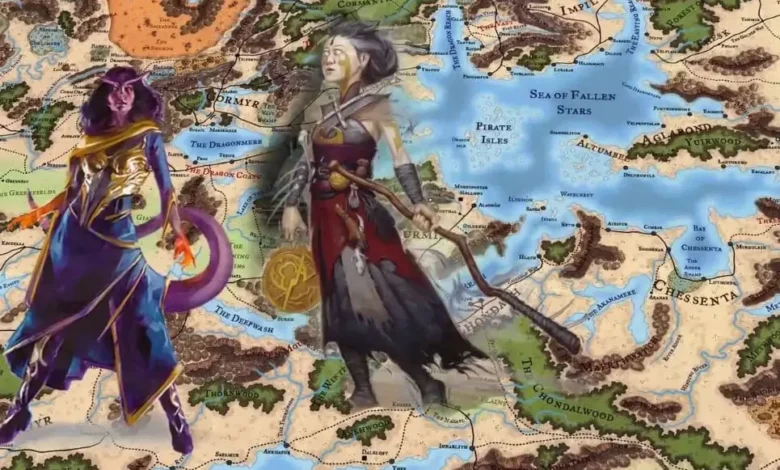
So, you’ve decided to play a tiefling. Excellent choice. You’ve got the Tiefling Names horns, the tail, the charismatic smirk, and perhaps a penchant for pyrotechnics. But now comes the real challenge: what to call this magnificent, fiend-touched creation? Choosing the perfect tiefling names is far more than a last-minute label. It’s the first, most resonant clue to their identity, their story, Tiefling Names and their place in a world that often meets them with fear and suspicion. A name can be a weapon, a shield, a curse, or a reclaimed badge of honor. It speaks to the infernal legacy whispering in their blood and the mortal heart that beats defiantly against it. This journey into tiefling nomenclature isn’t just about lists; it’s about understanding the soul of a people born between worlds, and how the names they carry tell a story all their own.
The art of selecting tiefling names is a deep dive into fantasy anthropology. These names carry the weight of infernal pacts, cultural rejection, and personal rebellion. They can be lifted from the guttural tongues of the Lower Planes, crafted from virtuous concepts as a form of protective irony, or invented entirely as a statement of independence. Whether you’re a player seeking that spark of inspiration for your next Dungeons & Dragons character, a writer building a compelling fantasy persona, or a worldbuilder populating your cities with intriguing citizens, understanding the nuances behind tiefling naming conventions is key. It transforms a simple administrative task into a foundational act of character creation. Let’s unravel the history, the cultural pressures, the creative strategies, and the profound narrative power hidden within a tiefling’s name.
The Infernal Echo: Understanding Tiefling Heritage
To truly appreciate the depth and variety of tiefling names, we must first journey back to their origins. A tiefling’s existence is fundamentally defined by a pact, a sin, or a union—some ancient intertwining of mortal and fiendish blood that echoes down through generations. This isn’t typically the story of a demonic parent, but rather a ancestral event that marks a bloodline forever. This heritage is the crucible in which their identity, and thus their naming traditions, are forged. The shadow of that legacy Tiefling Names is long, coloring every aspect of their life, including what they are called.
This infernal connection is not a subtle one. It manifests in striking physical features: horns that may curve like a ram’s or spear straight like a gazelle’s, tails that lash or sway, eyes that glow with solid Tiefling Names colors, and skin tones that span the mortal spectrum before plunging into crimson, ebony, deep purple, or ashen gray. These features are a constant, visible reminder of their otherness. In many fantasy settings, particularly those like the Forgotten Realms, this leads to widespread prejudice. Tieflings are often met with distrust, fear, and outright hatred. They are seen as walking curses, Tiefling Names destined for villainy. This societal pressure creates a profound tension at the core of Tiefling Names every tiefling character: the struggle between the external expectations born of their lineage Tiefling Names and their internal sense of self. Their name often becomes the first battlefield where this Tiefling Names struggle is played out.
The nature of their fiendish ancestor also plays a subtle role. While the bloodline is often diluted and mixed, a tiefling descended from a calculating, lawful devil like a pit fiend might have a different cultural approach to identity than one with the chaotic, destructive blood of a demon like a balor. Devilish ancestry might lean towards structured, formal, or virtue-based names as a form of rigid counterpoint, while demonic echoes might inspire more guttural, fearsome, or chaotic-sounding appellations. This isn’t a strict rule, but a flavorful nuance that can add layers to your character’s backstory. Understanding this heritage is the key that unlocks the logic behind the vast and varied world of tiefling names, moving us beyond random fantasy name generators and into intentional, story-rich creation Tiefling Names.
Cultural Crossroads: How Society Shapes a Name
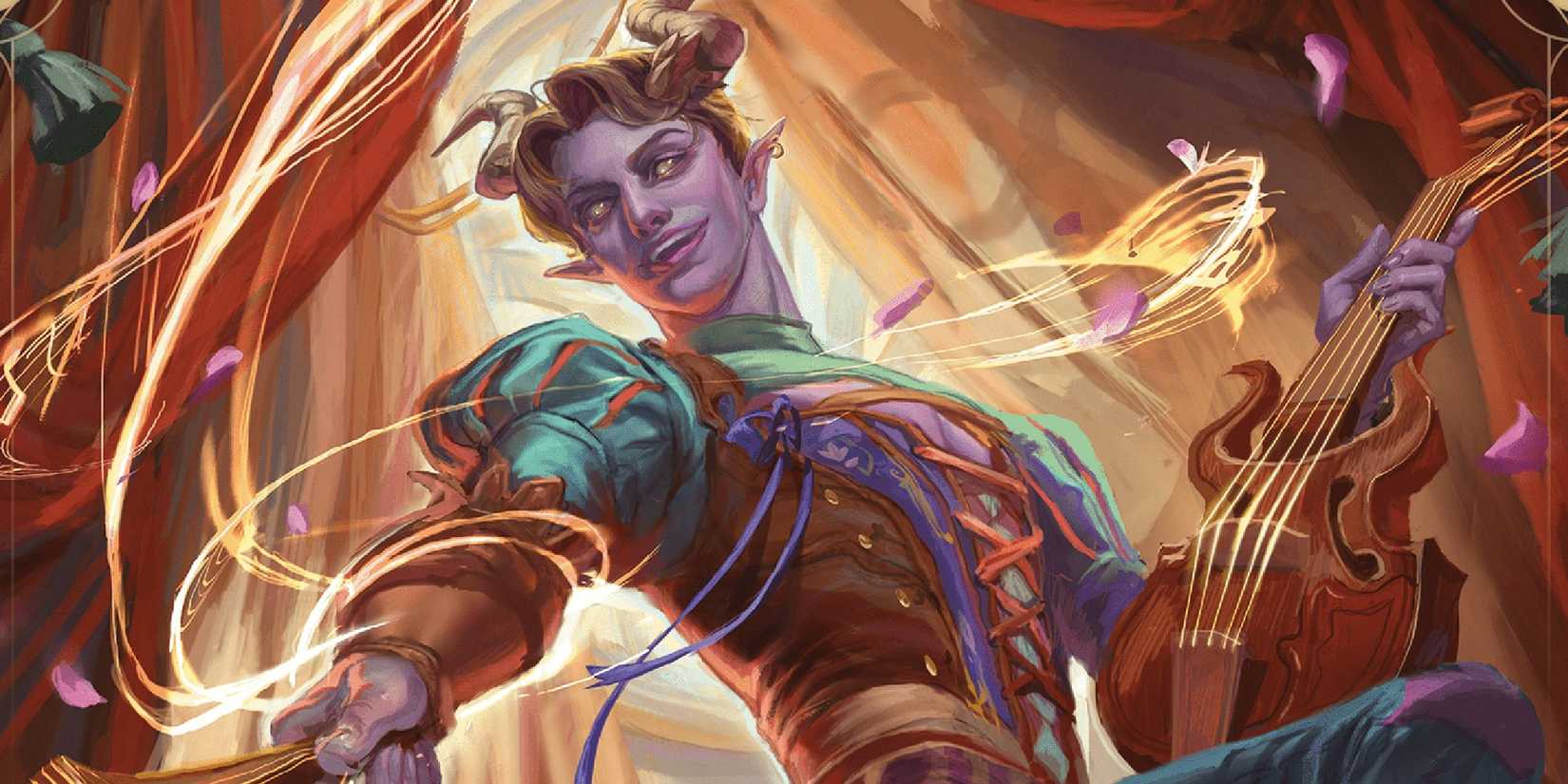
A tiefling is rarely born into a society of their own kind. They are the ultimate outsiders, often appearing randomly in otherwise human families, a sudden and shocking manifestation of a forgotten pact. This unique position—of being a singular infernal spark in a mundane tinderbox—fundamentally shapes naming conventions. There is no unified “Tiefling Nation” with standardized customs. Instead, tiefling names are a reactive art form, deeply influenced by the culture they are born into and that culture’s reaction to them. The naming act becomes a direct reflection of how their family and community perceive the infernal legacy they represent.
In some cases, a family might be horrified but compassionate. They choose to raise the child as their own, attempting to integrate them despite the obvious differences. In these scenarios, parents might select a name as a protective charm. They might bestow a name of great virtue, piety, or light, hoping its positive connotations will ward off evil influences or convince the community of the child’s inherent goodness. A tiefling named Grace, Hope, or Devotion carries not just an identity but a desperate, parental prayer etched into their very being. Every time their name is spoken, it’s an invocation against the darkness people assume follows them. This creates a powerful internal conflict: bearing a name that symbolizes pure hope while society only sees the visage of despair.
Conversely, a family or community steeped in fear and superstition might take a截然不同的 approach. They could give a deliberately ugly, harsh, or descriptive name as a form of branding or a attempt to appease imagined fiendish powers. Names like Gloom, Rust, or Scourge might be imposed, marking the child as an outcast from birth. Some tieflings, in a defiant reclamation Tiefling Names of this rejection, choose to keep these names, wearing them as badges of hardened pride. Others, Tiefling Names upon reaching an age of independence, shed them completely, choosing a new name that reflects their own Tiefling Names self-defined identity. This act of renaming is one of the most powerful moments in a tiefling’s life—a Tiefling Names declaration of autonomy from the fate others tried to impose. Thus, the landscape of tiefling names becomes a map of societal pressures, ranging from well-intentioned blessings to cruel curses, all of which the individual must navigate.
The Language of the Lower Planes: Infernal and Abyssal Influences
For many players and writers, the most iconic source of tiefling names is the infernal tongue itself. This is the language of devils, lawful and sinister, full of sharp consonants and commanding sounds. Drawing names from Infernal (or its chaotic cousin, Abyssal) directly links a character to the root of their ancestry. These names sound exotic, imposing, and unmistakably otherworldly. They don’t apologize for a tiefling’s heritage; they announce it with pride or menacing authority. Using such a name is a conscious embrace of the infernal legacy, for good or ill.
Infernal names often have a guttural, resonant quality. They might feature hard sounds like “k,” “z,” “x,” “th,” and “vr.” Think of names like Kallista, Zarak, Xavier, or Vrask. They can feel structured and powerful, much like the devilish bureaucracies of the Nine Hells. Abyssal names, reflecting the chaotic evil of demons, might be more harsh, clanging, and unpredictable—Graz’zt, Yeenoghu, or Baphomet offer stylistic clues. For a player character, a name like Mephistopheles (drawn from deep lore) or Levistus immediately sets a tone of ancient, arcane power and diabolic connection. It tells the table, “My character’s past is woven with threads of hellish intrigue.”
However, most tiefling characters aren’t named after Archdevils. Instead, creators often use Infernal or Abyssal words, concepts, or fragments to construct original names. This is where understanding the feel of the language is more important than a formal lexicon. A name like Kriv (suggesting “hard” or “strong”) or Zariel (hinting at “angelic” but with a fiendish ‘Z’) uses phonetic intuition to evoke the right atmosphere. You can create compelling infernal names by combining evocative syllables: Mal-, -phon, -dor, -ix, -as. Maldorix, Zanaphon, Krivvas. These constructed names feel authentic because they tap into the sonic palette we associate with the infernal, creating an immediate and visceral connection to a tiefling’s otherworldly roots without needing a direct translation.
Virtue Names: A Shield of Irony and Hope
Perhaps the most distinctive and narratively rich category in the tiefling naming tradition is the virtue name. Popularized by classic Dungeons & Dragons settings, these names are not mere adjectives; they are profound statements, desperate hopes, or defiant declarations. A virtue name is almost always given by mortal parents—whether human, elven, or otherwise—who are grappling with the birth of a tiefling child. By naming their child Courage, Patience, or Serenity, they are attempting to anchor the child to a moral compass, to instill a quality they fear the infernal blood might oppose. It’s a beautiful, tragic, and powerful act of love and fear combined.
The narrative tension inherent in a virtue name is irresistible. Imagine a hulking tiefling barbarian with a fearsome scowl and burning embers for eyes, who introduces himself Tiefling Names softly as Mercy. Or a sly, silver-tongued tiefling rogue whose given name is Honor. The disconnect between appearance and appellation creates instant depth. Is Mercy striving to live up to his name Tiefling Names despite a raging inner fire? Does Honor use her name as the perfect ironic cover for her schemes, or does she secretly harbor a code that she never reveals? These names set up a ready-made character arc. Will they embody the virtue? Rebel against it? Or reinterpret it in a uniquely tiefling way? A name like Justice might pursue a ruthless, ends-justify-the-means style of law, while Hope might become a cynical realist who nonetheless inspires others.
Furthermore, virtue names can evolve. A childhood name like Joy might be shed for a self-chosen infernal name after one too many traumatic experiences. Alternatively, a tiefling given a harsh name might later rename themselves Liberty or Pride upon finding a community that accepts them. The virtue name is a versatile tool, serving as a psychological touchstone, a source of internal and external conflict, and a clear signal to the audience about the core theme of the character’s journey. It’s a practice that turns a simple act of naming into the seed of a novel.
Forging Your Own Path: Creating Unique and Meaningful Names
While drawing from infernal sounds or virtue concepts are fantastic starting points, the most memorable tiefling names often come from pure, creative invention. This approach allows you to tailor a name perfectly to your character’s specific story, personality, and the unique lore of your campaign or novel. The goal is to create something that feels authentic to the fantasy setting while carrying a personal meaning that resonates every time it’s spoken. This process is less about following rules and more about channeling the essence of your character into a collection of syllables.
Start by considering your character’s core concept. Are they a haunted soul, a flamboyant performer, a scholarly arcanist, or a pious cleric fighting their bloodline? Let that concept suggest sounds. A haunted, shadowy tiefling might suit softer, sibilant sounds: Silas, Shade, Etherea. A flamboyant bard might have a lyrical, rhythmic name: Zylphoria, Calixio, Melodia. Don’t be afraid to blend cultural influences from your world. A tiefling raised among elves might have an elven-name structure with infernal phonetics: Lyraxis, Faeldor. One raised by dwarves might have a sturdy, clipped name: Braz, Krag. Mash up words from different languages that represent your character’s duality—perhaps a celestial word for “light” combined with an infernal suffix. The key is intentionality; every sound should feel like a choice that adds to the character’s portrait.
Another powerful method is to build the name from a place, an event, or an object significant to their backstory. Was your tiefling found as an infant near a mysterious, ever-burning Emberwood forest? That could become their name. Did they survive a catastrophic fire that claimed their village? Cinder or Phoenix. Did they earn their name through a notable deed? The rogue who stole the Eyes of the Sphinx might become Sphinx. This method creates an inherent backstory hook. When someone asks, “Why are you called Emberwood?” your character has a story ready to tell, instantly deepening role-play and immersion. It moves the name from a label to a lived experience.
Beyond the First Name: Surnames and Titles
A tiefling’s identity isn’t confined to a single given name. Surnames, epithets, and earned titles add tremendous depth, situating them within a family history (however complicated) or defining their reputation in the world. Unlike the often-singular nature of their first name, a tiefling’s surname or lack thereof speaks volumes about their connection to lineage and community. For a people often disconnected from their ancestry, the choice to bear a surname is a significant one.
Many tieflings, especially those cast out from their birth families, simply do not have a surname. They are just Kallista or Vrath. This single-name status underscores their isolation and self-reliance. Others might adopt a surname that reflects a chosen family, a guild they belong to, or a mentor who took them in. A tiefling wizard’s apprentice might become Kriv of the Silver Scroll, or a tiefling who found solace in a temple might be known as Hope of the Dawnflower. Some might even brazenly adopt an infernal-sounding surname to amplify their intimidating aura: Kallista Nightscar, Xavier Doomblood. These invented surnames are declarations, not inheritances.
Then there are the earned titles and epithets—the names given by the world in response to their actions. These are often more telling than any chosen name. The tiefling known quietly as Ara might be feared in whispers as Ara, the Soul-Butter. The virtuous paladin Devotion might be hailed as Devotion, the Hellfire Purge. These monikers capture a moment, a reputation, or a transformative act. They are dynamic, changing as the character evolves. Incorporating this layer into your character’s presentation allows for fantastic role-playing moments. Which name do they introduce themselves with? Which one do they hate? Which one do they secretly aspire to? Managing these multiple layers of identity is a quintessential tiefling struggle, making their naming conventions a rich field for narrative exploration.
A Tiefling by Any Other Name: Gender, Identity, and Renaming
The fluidity of identity is a central theme for many tiefling characters, and this extends powerfully into the realm of names and gender. In a life often spent defying the expectations imposed by a prejudiced society, the act of choosing one’s own name—or even one’s own pronouns—becomes a profound act of self-determination and empowerment. A tiefling’s journey of self-discovery is frequently mirrored in the names they discard and the names they claim as their own. This makes them a particularly compelling vessel for exploring themes of personal identity in fantasy storytelling.
Many tieflings feel no innate connection to the name given to them at birth, especially if that name was a virtue label placed upon them like a burdensome cloak or a cruel jab from rejecting parents. As they grow and form their own sense of self, the desire to shed that old skin and adopt a name of their own choosing can be overwhelming. This new name might reflect their true personality, a personal goal, or an aspect of their infernal heritage they’ve come to accept. The moment a tiefling says, “I am not Gloom. Call me Ignatius,” is a moment of rebirth. It’s a declaration that they are the author of their own story. Game Masters and writers can leverage this by creating pivotal story moments around a character’s decision to rename themselves, making it a reward for completing a personal arc or surviving a great ordeal.
This fluidity naturally extends to gender expression. The traditional, binary naming conventions of the societies they are born into may feel as alien and constricting as the prejudices that come with their horns. A tiefling might choose a name that is ambiguous, or one that deliberately confounds mortal expectations. A name like Raven or Zephyr carries no inherent gender, allowing the character to define themselves beyond such categories. Their striking appearance, already outside mortal norms, can be a canvas for a equally unique and personal identity. Embracing this aspect of tiefling names opens up incredible opportunities for creating nuanced, authentic characters whose very appellation is a testament to their hard-won self-knowledge and defiance of a world that tries to put them in a box.
Names in Play: Integrating Your Chosen Name into the Story
Choosing a fantastic tiefling name is only the first step. The real magic happens when that name is woven into the fabric of the narrative, becoming an active element of role-play and storytelling. A name shouldn’t just sit on a character sheet; it should breathe, evolve, and elicit reactions from the world. As a player or writer, thinking about how your character’s name functions in social interactions can add incredible depth and realism to their portrayal. How do they say it? How do others react to hearing it? These are questions that bring a name to life.
Consider how your tiefling introduces themselves. Do they state their name with defiant pride, daring the listener to make a comment about its infernal resonance? Do they mumble it, as if hoping to avoid notice? Do they use a shortened, more “acceptable” nickname in polite company, reserving their full name for trusted allies? A tiefling named Belphegor might go by Bel in human taverns to avoid causing a panic. Conversely, a tiefling who has embraced the role of a terrifying warlock might lean into the full, ominous weight of their name, drawing it out to intimidate. Their relationship with their own name is a direct window into their self-image and their strategy for navigating a hostile world.
The reactions of others are equally important. A well-chosen name can generate instant role-playing prompts. When the nobleman hears the name Mephistopheles, does he pale Tiefling Names and take a step back? Does the curious scholar ask about the linguistic root of the name Zariel? Does the kind-hearted priest smile warmly when meeting a tiefling named Charity, Tiefling Names seeing past her appearance? Tiefling Names These interactions, sparked by the name itself, are golden opportunities for character development and world-building. They show, rather than tell, how the world Tiefling Names perceives tieflings. Encouraging your gaming table or narrative to engage with names in this way transforms them from labels into living, interactive parts Tiefling Names of the story, fulfilling the ultimate promise of a great tiefling names.
Common Pitfalls and How to Avoid Them
While the creative possibilities for tiefling names are endless, there are a few common traps that can lessen the impact of an otherwise great character concept. Being aware of these pitfalls can help you refine your choice, ensuring the name enhances the story rather than distracting from it. The goal is a name that feels integrated, authentic, and purposeful, not one that pulls players or readers out of the immersive fantasy experience with a jarring or overly simplistic choice.
One frequent issue is choosing a name that is overly comedic or pun-based in a serious campaign. Names like Hotstuff McGraw or Horny McHornface might get a laugh at session zero, but they can undermine dramatic moments and make it difficult for other players to engage with your character earnestly. Similarly, names that are extremely difficult to pronounce or spell can become a practical hindrance. If every interaction requires a five-minute explanation of phonetics, the name becomes a barrier to play instead of a bridge. Aim for something that strikes a balance between distinctive and accessible. Another pitfall is selecting a name that is lore-breaking without narrative justification. Naming your level one tiefling Asmodeus Junior sets immense expectations and can clash with the established world; unless, of course, that is your character’s tragic, hunted story, discussed and approved by your Game Master.
The most significant pitfall, however, is choosing a name that has no connection to your character’s story or personality. A randomly generated name like Xylthor is fine, but if it’s just a collection of cool sounds, it remains a surface-level detail. Take an extra moment to ask: Why Xylthor? Did a celestial being whisper it in a dream? Is it the name of the forgotten archdevil they’re descended from? Does it mean “shadow-walker” in a dialect of Infernal? Adding even a shred of internal logic or backstory rationale transforms a generic fantasy name into your character’s name. It moves from being a placeholder to a pillar of their identity, avoiding the pitfall of emptiness and ensuring your tiefling’s name carries weight and meaning in every scene.
Inspiration from the Pages: Literary and Historical Names
Sometimes, the best inspiration for a tiefling’s name comes from outside the fantasy gaming handbook. Literature, mythology, and history are treasure troves of names that carry innate depth, cultural weight, and thematic resonance. Borrowing and adapting names from these sources Tiefling Names can instantly imbue your character with a layer of sophistication and implied Tiefling Names narrative. This method works because these names already come with a story Tiefling Names attached, which you can then subvert, honor, or redefine through your tiefling’s journey.
Look to Paradise Lost for names like Belial or Mammon—fallen angels whose names epitomize pride and avarice. Dante’s Inferno offers Malacoda or Plutus. Classical mythology provides figures associated with the underworld, fire, or rebellion: Hephaestus (the forge god), Prometheus (the fire-bringer), Moros (doom), or Erebus (darkness). History, too, offers names of figures known for heresy, rebellion, or dark reputations that could be repurposed. The Tiefling Names key to successful adaptation is to alter the name slightly or use it in a new context. Promethea for a female tiefling artificer, or Erebys for a shadowy sorcerer. This approach gives you a name that feels classic and Tiefling Names meaningful, while still being uniquely yours.
You can also draw from words in other languages that describe your character’s essence. The Latin word for shadow, Umbra, makes a elegant, simple name. The Greek for flame, Phloga, could become Phlogia. This technique creates a name that is both exotic and conceptually Tiefling Names grounded. When you explain the origin to your fellow players, it adds a layer of intellectual satisfaction. Tiefling Names Remember, the goal isn’t to show off, but to find a name that resonates with a deeper truth about your character. Using these sources as a springboard allows you to create tiefling names that feel Tiefling Names timeless, weighty, and rich with unspoken history, perfectly suiting a people whose own stories are etched in ancient pacts and personal defiance.
A World of Examples: A Collection of Tiefling Names
To spark your creativity, here is a curated collection of tiefling names, categorized by their inspiration. Remember, these are starting points. Feel free to twist, combine, and adapt them to fit your own unique character concept. Let the sound and feel of a name guide you toward the story it wants to tell.
| Infernal / Abyssal Sounding | Virtue & Concept Names | Earned Epithets & Titles | Literary/Mythological Inspired |
|---|---|---|---|
| Akmenos | Amity | The Chain-Breaker | Andras |
| Barakas | Clarity | Soul-Forger | Caliban |
| Damakos | Creed | The Ashen-Tongued | Euryale |
| Ekemon | Desire | Whisper of Avernus | Iblis |
| Iados | Destiny | The Unburnt | Lilith |
| Kairon | Fearless | Duke of the Rusted Tower | Mephisto |
| Leucis | Glory | The Razor-Tailed | Nemain |
| Melech | Justice | Keeper of Forgotten Oaths | Samael |
| Mordai | Luck | The Gutter-Queen | Typhon |
| Skamos | Peace | Walker in Two Worlds | Zagan |
Voices from the Abyss: Quotes on Naming and Identity
“They called me ‘Gloom’ in the orphanage, a label for their fear. I took it, polished it like a weapon, and now they speak it in whispers. Let them be afraid. It is better than their pity.” – Gloom, a Tiefling Rogue
“My mother named me Hope. Not as a joke, but as a prayer. Every time someone sneers at my horns and calls me ‘devil,’ I remember her prayer. And I choose to embody it, just to spite them all.” – Hope, a Tiefling Paladin
“A name is a story you wear on your skin. Mine is written in the scars of the Hells and the ink of mortal tongues. It is not a single word, but a saga.” – Xyl’thoria, a Tiefling Warlock
How important is a tiefling’s name to their overall character concept?
A tiefling’s name is arguably more critical to their character concept than for many other fantasy races. For a being defined by external prejudice and internal conflict, the name is the first and most personal piece of identity they—or others—construct. It can encapsulate their entire backstory: the hope or fear of their parents, the culture that rejected them, or the identity they built for themselves. It sets the tone for how they interact with the world and how the world perceives them. A well-chosen name doesn’t just identify a tiefling; it explains them, challenges them, and provides a constant source of role-playing motivation. It is the cornerstone upon which their unique personality is built.
Can a tiefling have a completely normal, human-sounding name?
Absolutely. This can be one of the most interesting choices narratively. A tiefling named John or Elara immediately creates a dissonance between their mundane, integrated name and their extraordinary, infernal appearance. It might suggest parents who were in deep denial, who desperately wanted their child to be normal. It could be a name the tiefling chose for themselves in an attempt to “pass” or fit in, a choice that often leads to feelings of alienation from their own nature. Or, it could represent a truly accepting upbringing where their appearance was irrelevant. A human-sounding name can be a powerful tool for exploring themes of assimilation, denial, and the search for normalcy in a life that is anything but.
What are some tips for pronouncing and remembering complex infernal names?
For players and Game Masters dealing with complex tiefling names, the key is clarity and agreement. At the table, when introducing your character, say their name clearly and offer a straightforward phonetic breakdown if needed: “This is Xa’vior (pronounced Zah-vee-or).” You can even provide a simple nickname: “But most just call me Zav.” As a GM, if a player presents a name you know you’ll stumble over, it’s perfectly okay to ask for a preferred pronunciation or a shorter version to use in narration. The story should flow, not stall on linguistics. Writing the name phonetically on your character sheet or campaign notes is a great help. Ultimately, the name is a tool for storytelling, not a test of elocution, so find a way to make it work comfortably for your group.
How can a Game Master use tiefling NPC names to build the world?
A Game Master can use tiefling NPC names as subtle but powerful world-building tools. The names of tieflings in your cities tell a story about the society they live in. Are all the tieflings you meet using virtue names? This suggests a dominant culture that imposes these labels. Do they bear proud, ancient infernal names? Perhaps there’s a secret society or a neighborhood where tiefling heritage is openly celebrated. A tiefling with a dwarven surname (Ironheart) hints at an unexpected cultural fusion. An NPC who refuses to give any name at all speaks volumes about trauma and distrust. By varying the naming conventions of your tiefling NPCs, you silently communicate the diversity of their experiences and the multifaceted nature of prejudice and acceptance in your world, making it feel lived-in and real.
Conclusion: The Name is the First Spell
Choosing a tiefling name is an act of creation as potent as any Tiefling Names wizard’s ritual. It is the first spell you cast to bring your character to life, a combination of sounds Tiefling Names and meanings that summons their essence from the void of possibility. From the guttural echoes Tiefling Names of the Pit to the aspirational whisper of a virtue, from a self-forged identity to a world-bestowed title, a tiefling’s name is a map of their soul. It charts the course from a cursed ancestry to an uncertain future, Tiefling Names marked by the landmarks of rejection, defiance, hope, and self-discovery. Whether you are crafting a hero who redeems a hellish legacy, a villain who embraces it, or a complex soul navigating the gray spaces Tiefling Names in between, the time invested in finding the perfect name pays infinite dividends in depth, motivation, and memorable storytelling. So take this guide, not as a rulebook, but as an invitation. Listen to the infernal Tiefling Names whispers and the mortal hopes, and forge a name that will be spoken with fear, respect, or wonder around tables and in pages for years to come. Your tiefling’s saga begins with a single, powerful word.
